 China
China
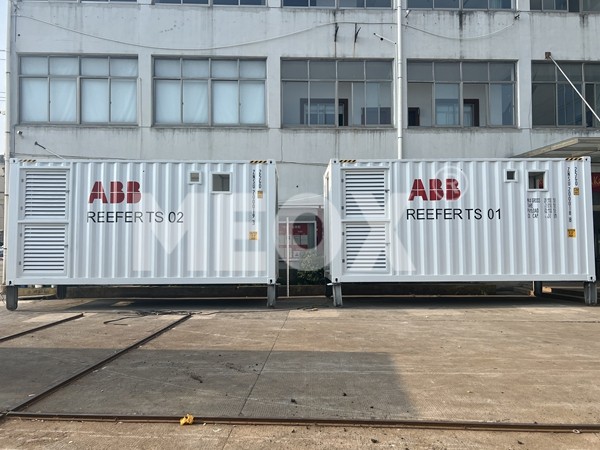
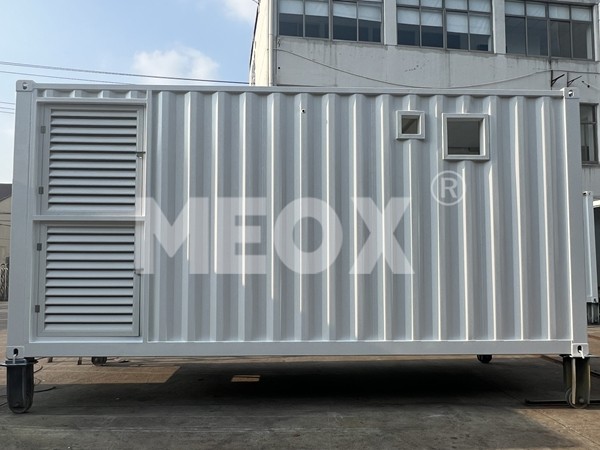
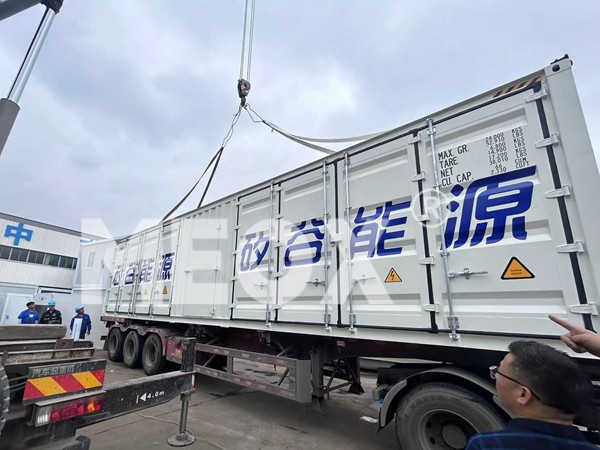
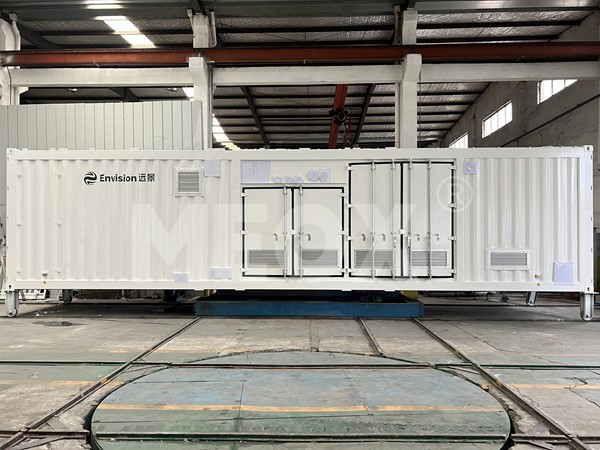
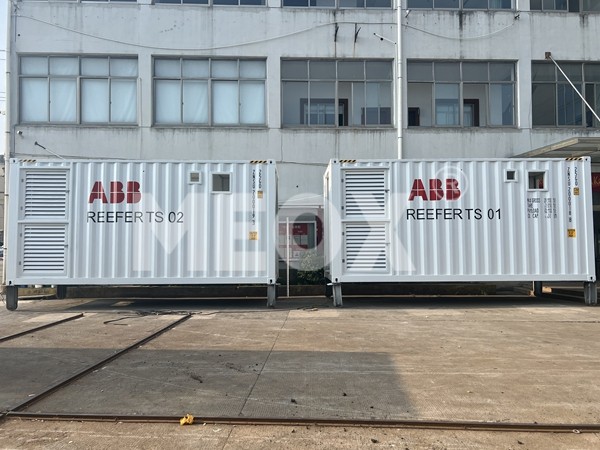
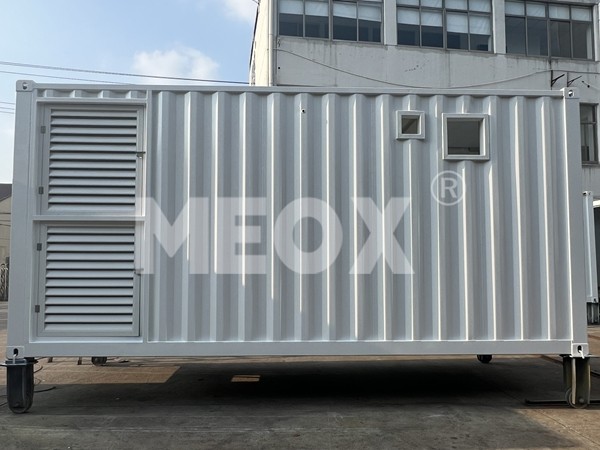
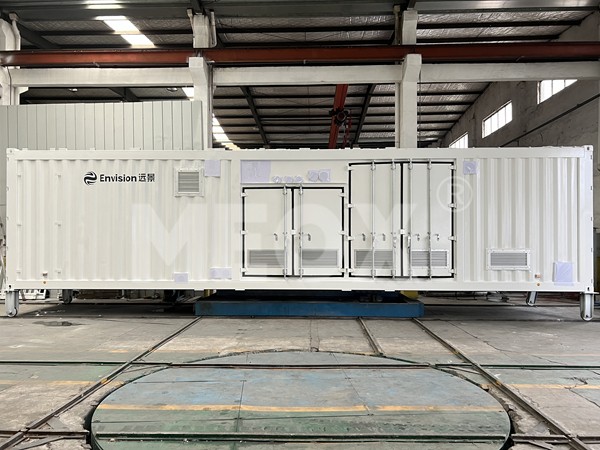
Engineered for solar farms, offshore wind, and mining sites, it slashes installation costs by 40% and footprint by 30% while surviving -40°C to 85°C, salt spray, and sandstorms. Control unmanned operations globally via the eCloud IoT platform – where reliability meets revolution.
Core Analysis
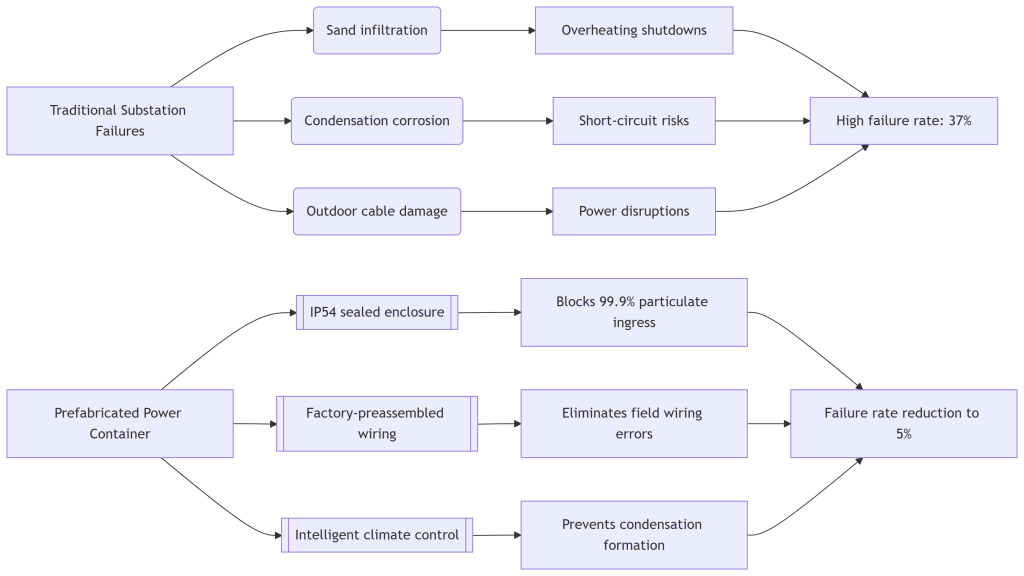
Traditional substations face critical vulnerabilities in demanding environments, while prefabricated power containers deliver engineered resilience.
| Evaluation Metric | Traditional Substation | Prefabricated Solution | Improvement |
|---|---|---|---|
| Deployment Duration | 3-4 months | ≤30 days | 70% faster |
| Annual Failure Rate | 37% (dust/humidity-induced) | 5% | 86% reduction |
| Site Footprint | 3,000 m2 | 2,000 m2 | 33% compacted |
| Maintenance Frequency | 18 interventions/year | 6 interventions/year | 67% fewer visits |
Data Source: TüV SüD Field Analysis Report (2024), 42 global energy projects
Technology Breakdown
| Component | Technical Specification | Performance Validation |
|---|---|---|
| Double-Wall Steel | 2.5mm galvanized steel (G550 grade) | ? 200% corrosion resistance vs standard carbon steel |
| Thermal Barrier | Polyurethane core (0.023 W/m·K conductivity) | ? Maintains ΔT<3°C at -40°C to 85°C ambient |
| Particulate Defense | Triple-layer gasket system | ? Blocks 99.9% airborne particulates >50μm |
Material Science

Operational Workflow
Environmental Adaptation Systems
| Threat Scenario | Engineering Response | Performance Threshold |
|---|---|---|
| Desert Heat | Dual-compressor cooling + cyclone filters | Maintains +35°C internal at 55°C ambient |
| Arctic Cold | Self-regulating heating + thermal locks | Cold start capability at -40°C |
| Coastal Humidity | Nano-ceramic moisture barriers | Holds 40-45% RH in 95% humidity |
Thermal Management: